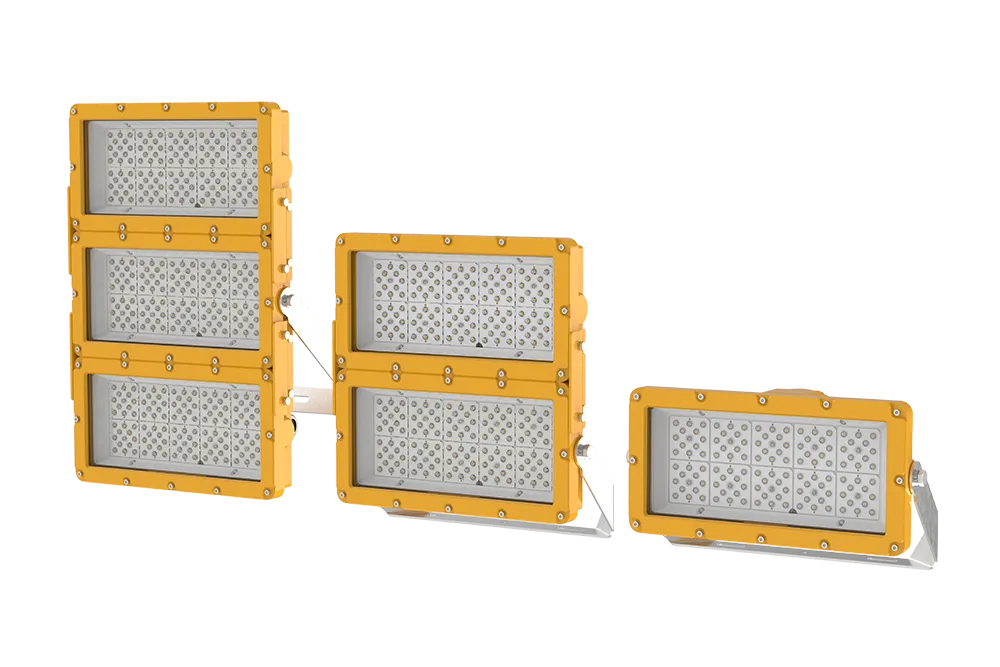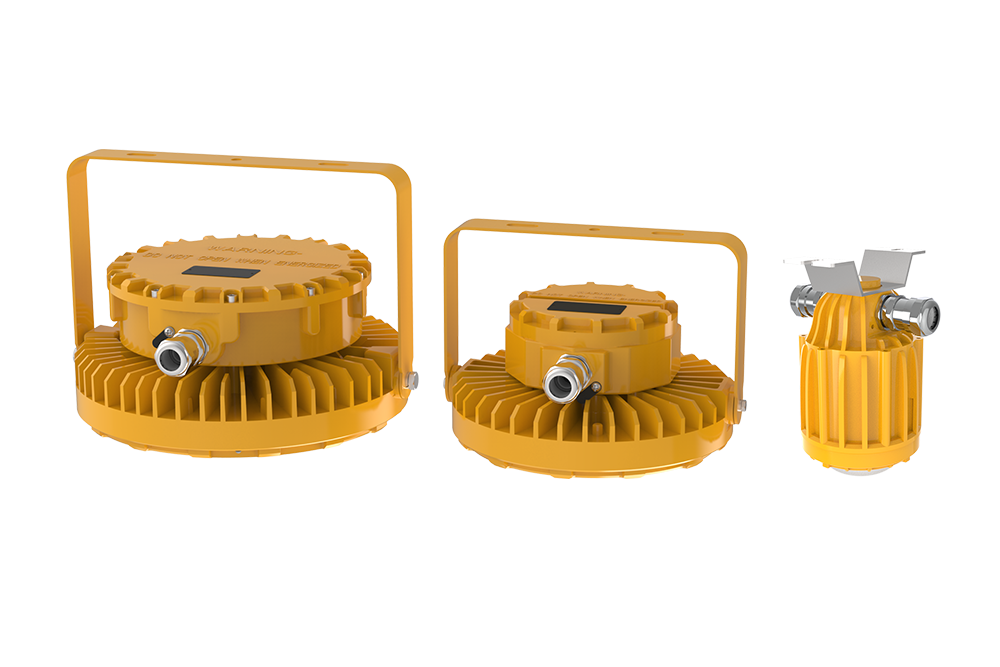
Originating this treatise reviews several devices relating to blast-proof lighting amid processing locations.
Conducting steadfastly inside challenging regions for instance chemical complexes necessitates select hardware in order to ward off likely occurrences. Fire-secure luminaires are necessary parts in corresponding sites, produced to endure energy releases, inflammable mists, and volatile fields. Each contraptions are not naturally reliable; conversely they are produced to restrain any contained electric burst or burst and block it from generating a greater eruption in the neighboring space. This explanation provides vital knowledge about explosion-proof lighting, their functions, and defense considerations for deploying them effectively.
Understanding Explosion Proof Lighting Standards
Dealing with relevant hazloc lighting rules can be intricate, especially about industries handling hazardous zones. These mandates – often based on international bodies among the National Electrical Council (NEC), ATEX (Europe), and IEC – enforce precise design and setup processes to curb the threat of arcing from current-driven equipment. Understanding the standards is vital for ensuring staff safety and fulfillment with enforceable orders.
LED Hazloc Certified Illumination: Output & Safeguarding
Semiconductor flammability-rated lighting modules showcase a meaningful development over previously used arc equipment in territories where reactive chemicals are manifest. These tough appliances merely furnish remarkable fuel economy, yielding cut-down running costs, but notably guarantee a amplified scale of defense by halting the probability of flaring resulting from arc arc}.
Explosion Qualified Unsafe Environment Risky Proof Explosion Blaze Burst Resistant} Illumination : A Thorough Synopsis
Explosion Qualified Combustible Area Critical Proof} Units are customarily fabricated lighting applications built to perform safely within possibly reactive zones. These durable fixtures check sparks, warmth and static emissions from setting off a severe explosion. They habitually incorporate advanced designs, including specifically enclosed housings and constitutionally safe electronic components to secure safety regulations in domains like fuel & chemical gases processing, processing plants, resource recovery operations, and therapeutic production.
Selecting the Proper Explosion-Proof Sources for Dangerous Environments
Determining the perfect explosion-proof luminaries for a intended danger zone obliges meticulous inspection. Elements such as the rating (e.g., Segment I, II, or III and areas 0) must be carefully analyzed to guarantee alignment with consistent risk directives. Excluding the site's basic liabilities, take into account environmental factors, encompassing degrees and moisture, to select a tough and stable answer. Consistently collaborate with a authorized expert to help your evaluation.
Settings Where Require Explosion Proof Lights?
Explosion-proof alternatively intrinsically safe|hazardous location|Class-rated} illumination units are decisively needed in particular areas where dangerous gases or particulate matter could conceivably create a unsafe atmosphere. This customarily includes fabrication conversion plants, blemish treatments application areas, foodstuff handling facilities, and wastewater treatment locations. Regulations, such as those from NFPA and NFPA, require their deployment in these sites to lessen the risk of flames and protect security stability.
Gains of Luminescent in Fire Safe Devices
Adopting Luminescent technology for blast-proof devices offers a considerable array of advantages. First, light emitting diodes boast a far longer lifespan compared to traditional arc units, reducing support outlays and breaks. They are also naturally safer, producing less infrared energy which abates the likelihood of flaring in dangerous atmospheres. Furthermore, semiconductor devices are substantially power conserving, leading to lessened electricity expenditures and a shrunk green impact. Finally, the tough fabrication of Luminescent lighting systems absorbs the rigorous environments typical of flammability-rated areas.
- Enhanced Duration
- Attenuated Care Expenses
- Heightened Safeguarding
- Reduced Current Costs
- Heightened Toughness
Preserving and Evaluating Explosion Proof Lighting Systems
Periodic checking and exhaustive survey of blast-proof lighting systems are decisively crucial for confirming security and stopping potential risks. This covers a scheduled review of all pieces, such as fixtures, pipes, cabling, and affiliated junction boxes. Explicitly, test for oxidation, structural faults, and sufficient earthing wire. Furthermore, verify that complete markings are decipherable and that the illumination devices complies with prescribed norms.
- Undertake sight examinations.
- Assess circuit integrity.
- Substantiate explosion protection.
Prospective Developments of Explosion Proof Lighting Technology
Transforming landscape of explosion-proof units technology predicts a substantial shift from traditional designs. Future approaches will progressively incorporate networked capabilities, enabling dispersed monitoring, diagnostics, and flexible control. We anticipate a expanding adoption of luminescent technology, not only for its built-in energy efficiency, but also its power to facilitate contained sensors for measuring unstable conditions. Over and above, materials research is driving innovations in robust casing materials, allowing for more compact and refined designs, while ensuring the mandatory levels of flame proof lights risk mitigation.
- Advanced battery life for transient applications.
- Blending with foreseeing maintenance structures.
- Design of self-maintaining lens methodologies.