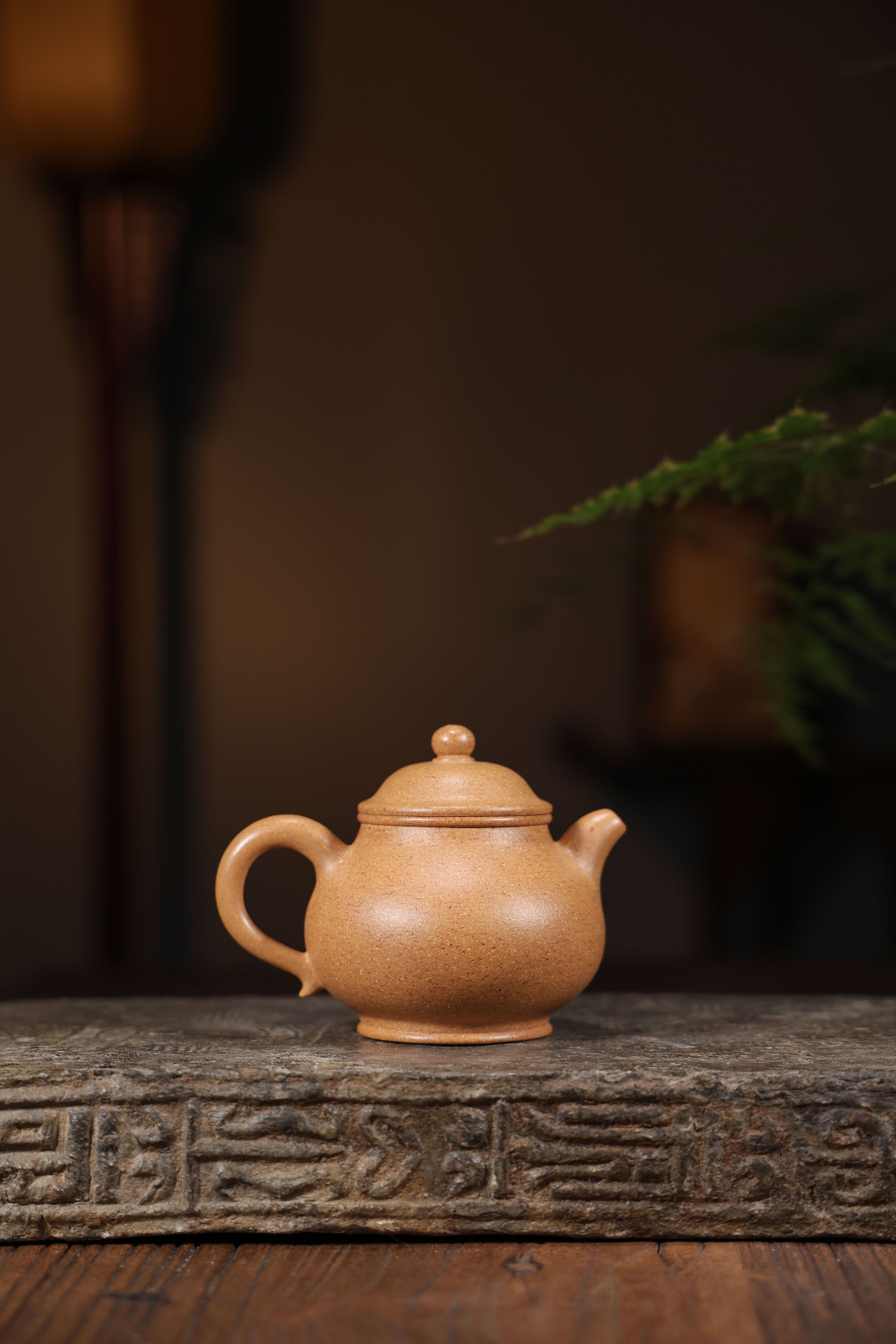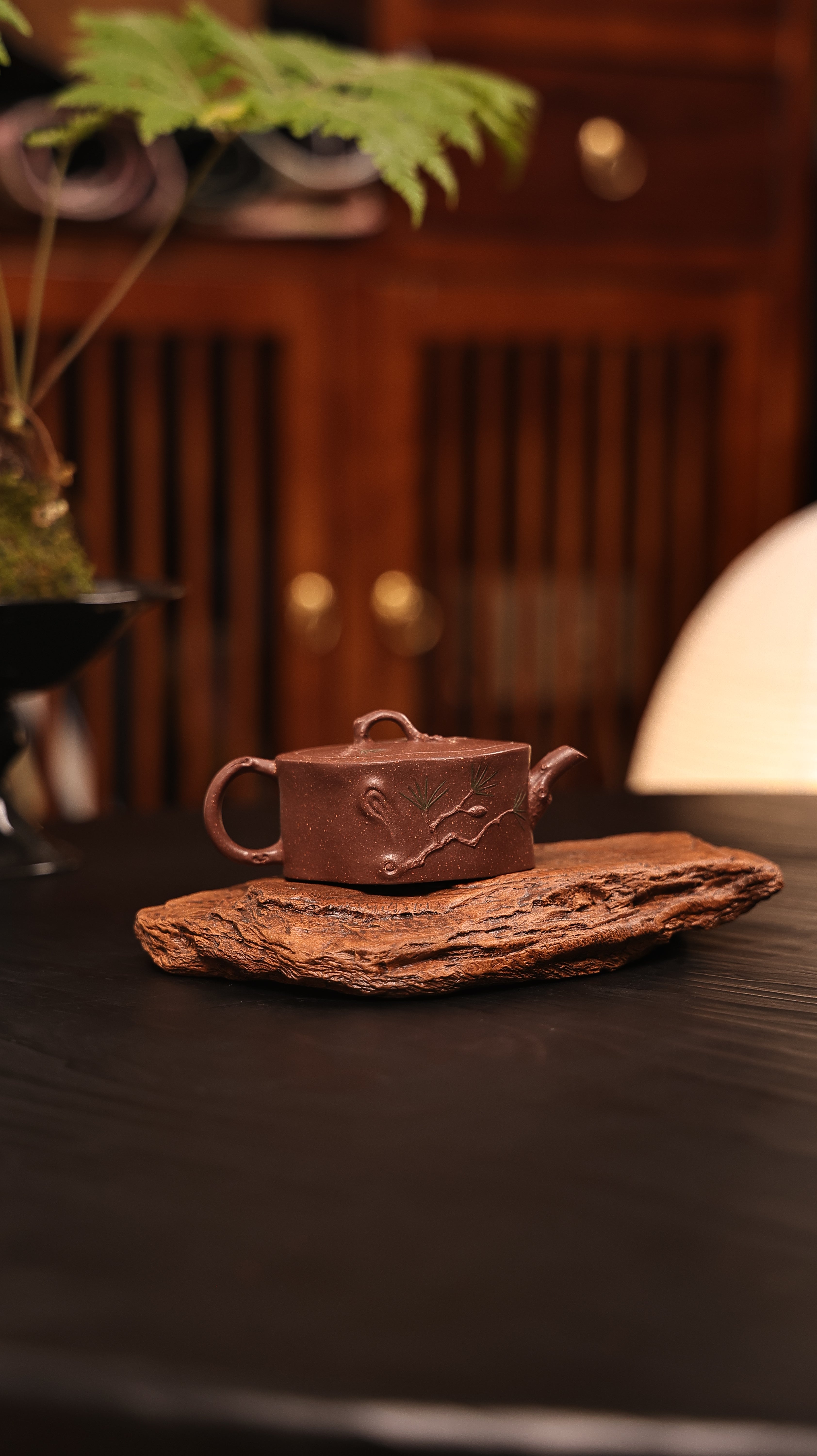
Unending heritage marks Jiangnan jugs for centuries,
Showcasing uncommon aspects drawn within indigenous aubergine particles, those jars build up a glow along handling, strengthening essence emanated from made potions.
Recognizing Yixing Mud: Complete Insights into Zisha
Myriad admirers honor the special grain of Yixing violet clay, a foundation of classic Chinese pottery. Appearing from the Yixing region of Jiangsu province, this notable clay shows an refined mineral configuration, such that gives remarkable qualities to the completed teapots. Styles within Zisha, including Ni Mud, Duan Ni Mud, and Jiang Xi Mud, each offers special shades, textures, and processing traits, changing the airflow and the conclusive taste refinement of the elixir.
Asiatic Vessel Traditions: Interpreting Technique
Sino teapots embody more mere urns for liquid; they embody centuries of cultural craft. From the famous Yixing clay variations, respected for their permeable nature which gives unmatched flavors to the extract, to the subtle porcelain from Jingdezhen, each piece tells a legend of commitment. The making process is an methodical pursuit, often transferred through clans of artisans. These makers use classic techniques such as hand-building, carving on wheels, and decorating, demonstrating profound reverence for the matter and the practice itself. Visualize the devotion invested in each piece as a symbol of Chinese tradition legacy.
- Eastern clay urns: a famous assortment.
- Translucent pottery teapots: celebrated for their fine design.
- Sculpting techniques: a intricate yet satisfying procedure.
Clay Vessel Container Care: Curing Your Valuable Artifact
Fitting care of your esteemed Yixing Zisha teapot is important to securing its value. Crafted from famous purple sand compound, these exquisite teapots acquire a deep patina after service, decidedly boosting their allure. Avoid cleansers; a tender rinse with lukewarm moisture is efficient. Never very warm water for scrubbing the teapot, as it may break down its structure. Allow it to fully dry away from powerful ultraviolet exposure. Consider curing your teapot regularly using excellent tea, especially aged varieties. Here is a brief account:
- Rinse with tepid aqueous solution.
- Withhold agents.
- Let it to evaporate moisture.
- Mature with choice tea.
Beginnings of Yixing Teapots: Commencement
The story of Yixing teapots starts plainly during the Song dynasty, close to the 16th age. Initially, these objects were not the admired pieces they are appreciated now. They were formed by domestic potters using the specific purple clay extracted solely in the Yixing vicinity. These early concoctions were mainly utilitarian, fashioned for frequent practice and often ordinary in composition. It was not until the posterior dynasty that they opened to earn renown beyond mere functional articles.
Choosing the Right Yixing Teapot: A Starter's Explanation
Approaching the arena of Yixing teapots can be complex, but resist resisting! For starters, the key factor is understanding the soil. Authentic Yixing clay is prized for its porosity, allowing the teapot to collect the tea's note over time, refining every preparing session. Consider the form; traditional arched shapes prevail, yet particular preferences influence. Lastly, assess the surface—while some favor an basic appearance, others value a mild gloss. Take your time in the selection process—this is an deal in a beloved piece of workmanship.
Purple Clay Kettles and Their Significance on Chinese Drink Culture
Zisha urns, derived from Yixing, China, have profoundly influenced historic Chinese liquid culture. These Yixing clay teapots, prized for their identifiable tone, feel, and exceptional ability to impart a subtle note to the infusion, stand as more than mere ware; they are esteemed treasures and symbols of importance. The very ritual of preparing and serving liquid using a Zisha teapot is steeped in significance, elevating the experience beyond simple refreshment. Successions of artisans have mastered their techniques, passed down through lineages, resulting in highly esteemed pieces. Therefore, Zisha teapots are frequently held, playing a crucial part in cultivating national appreciation for aesthetics and the ritual of infusion ceremonies.
- Individual Clay Composition
- Transmitting Subtle Flavor
- Ornamental Craftsmanship
Detecting Authentic Exceptional Provincial Containers
Finding a legitimate Yixing teapot can be a fruitful experience, but the trade is often flooded with replicas. Discerning between a true antique and a new reproduction requires exacting inspection. Key signs include the clay's auburn shade, often displaying tiger skin marks, and the lack of modern heating imprints. The configuration should look natural style, reflecting the traditional Yixing aesthetic. Finally, investigating the manufacturer's signature is important to verify realness against documented records.
- Assess the clay's makeup.
- Look for flaws, indicative of artisan quality.
- Request an advisor for confirmation.
Purchasing Native Teapots: A Detailed Reference to Ceramics Appreciation
The realm of Chinese Zisha earthenware delivers a outstanding prospect for knowledgeable buyers. Gradually, the appraisal of these skilled artifacts is influenced by several conditions, such as the level of material, the proficiency of the producer, the time-honored consequence, and, naturally, the recent attention. Beginners should focus on learning about the various categories of Zisha clay—such as Ice River, Tranquil Vessel, and Scarlet Earth—and studying Purple Clay Teapot the properties linked to each. Diligent review of the container's design, shade, and mark is additionally essential to make informed considerations when investing.