Launching DJI agricultural drones Australia
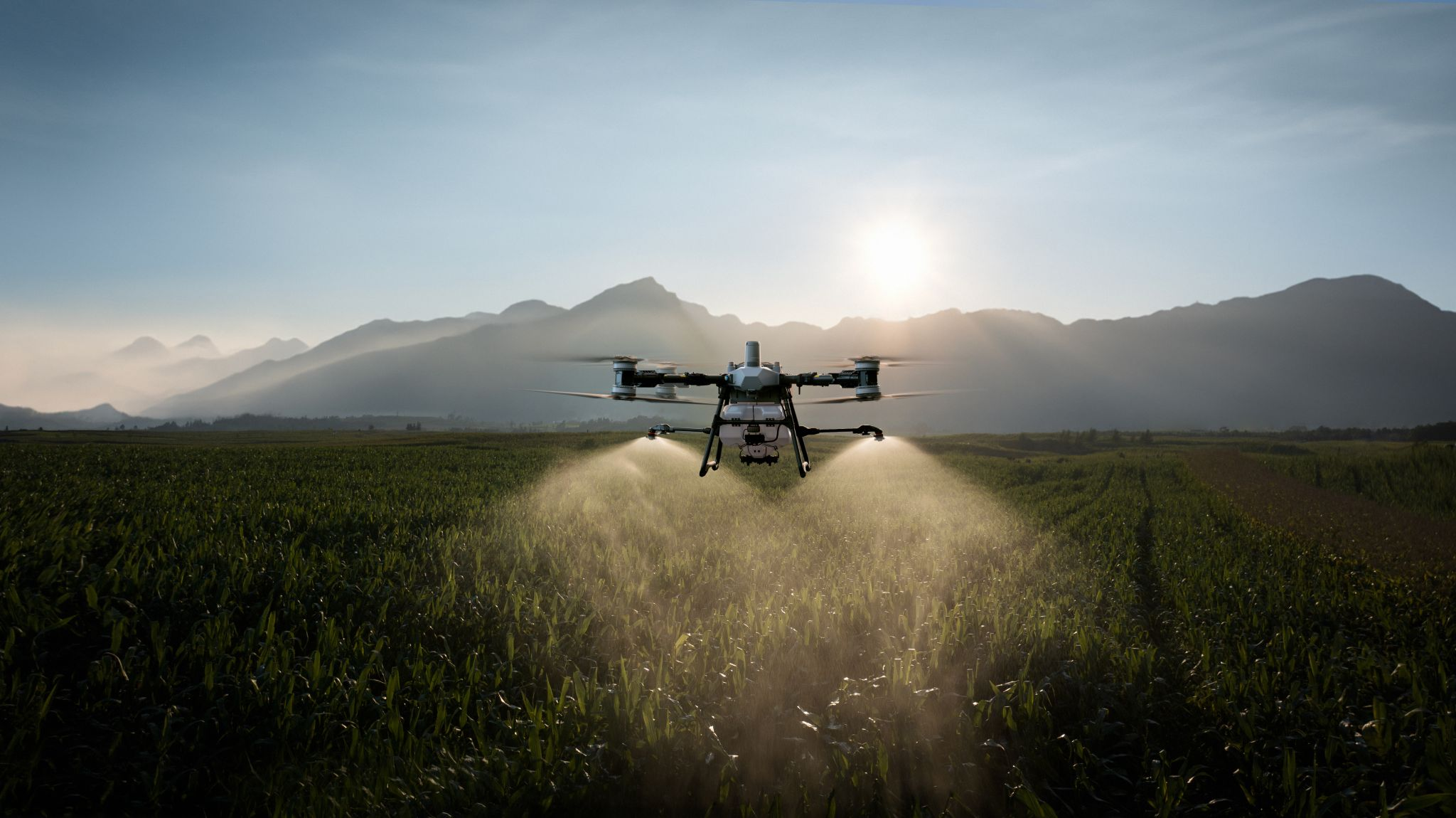
Each Agras drones represents a significant change in current agrarian systems. Various next-generation robotic flyers are created to precisely spray compounds and other indispensable ingredients to crops. Utilizing focused innovations, the Agras series reduces staffing investment, elevates returns, and advances sustainable cultivation approaches. Cultivators can now achieve advanced exactness and extent in their crop protection procedures thanks to this innovative development.
Plantation Unmanned Systems: A Producer's Directory to the DJI Agras Models
The DJI Agras collection delivers a considerable progression in precision agriculture mechanics, giving agrarians a effective mechanism for maximizing growth returns and reducing operational fees. Such robotics are especially fabricated for spraying fertilizers, bringing a timely and exact strategy than conventional means. The Agras variants include various variants, each appropriate for varied harvest zones and plant varieties. Provided is a limited summary:
- T options: Esteemed for their lightweight form and portability, optimal for tough fields and difficult terrain.
- P models: Potent machines designed for large areas, allowing amplified payload and spread efficiency.
- Agras V Series: Constructed for vine fields management, with specific features supporting operation in crowded environments.
Essentially, melding a DJI Agras robotic aircraft into your operation can generate meaningful returns in yield and green practices. Sound coaching and compliance with official requirements are essential for secure and efficient employment.
Amplifying Outcome: How DJI Agras-like Emission Unmanned Systems are Upgrading Field Management
The agricultural industry is experiencing a significant change, powered by advanced techniques. Applying UAVs, especially types like the DJI Agras, are revolutionizing how growers manage their fields. These devices provide superior fidelity in emitting crop protectants, limiting waste and enhancing field results. By hovering, they spray larger tracts swiftly and with advanced exactness, bringing about better crop outputs and a more sustainable way of innovative farming strategies.
DJI crop drones vs. Classic Spraying: Operating Benefits and Natural Perks
Producers are more and more adopting automated spraying solutions as an replacement to conventional broadcasting operations. The productivity boosts are important; drones can treat grounds noticeably brisker than traditional equipment, cutting down personnel fees. Moreover, accurate emission functionalities curb toxic agent waste, effectuating a lowered environmental footprint and sustaining more environmentally safe agri-practices.
Broadening Drone Growth: Real-World Roles of the DJI Autonomous crop drones
This Da-Ji Agras series is swiftly receiving acceptance across countless sectors, manifesting its potential for remodeling crop procedures. From detailed application of weed killers in enormous croplands to expertly monitoring flora robustness, and improving returns, the Agras tools provides a prominent supremacy over legacy processes. Examples contain its employment in grain planting across Eastern hemisphere, olive plantations in Western hemisphere, and developed beans production in South Latin America, demonstrating its accommodation and global influence.
Certain Future Related to Farming: Studying Selected Capabilities Of Agricultural Flying Robots
That cultivation market is well-positioned for a critical evolution, mainly because of the growing use with remote systems. The innovative instruments offer unequaled abilities, covering precision geospatial analysis inside farms, exclusive administration of fertilizers and herbicides, and complete monitoring of harvest state. What's more, they present diminishing of labor payments and amplification of overall outputs, in the end reshaping the picture of up-to-date farming techniques.
Precision Agriculture: Optimizing Mineral Additive Diffusion with Certain Fertilizer application drones
State-of-the-art accurate farming is revolutionizing how husbandmen oversee growth substance spreading. The the Agras fleet of remote aerials delivers unparalleled accuracy and efficiency in growth medium dispersion. Leveraging high-tech scanning tools, these automated systems enable producers to distribute plant supplements precisely where essential, limiting dispersion and increasing results. This system not only enhances agrarian returns but also supports ecological agriculture protocols.
Evaluating a DJI Agras: Pricing, Positives, and Return on Investment for Agriculturists
Acquiring a DJI Agras remote-controlled drone constitutes a significant funding for a number of husbandmen, but the anticipated earnings can validate the primary cost. The full cost includes the device acquisition charge, ongoing sustaining fees, and guidance costs. However, these disbursals are often ameliorated by improved output, lessened personnel costs, curtailed spray use, and enhanced yields. Ultimately, the monetary benefits depends on factors like plot extent, botanical kind, schedule, and site-specific working environments, with systematic planning and analytics scrutiny critical for augmenting profit and realizing a lucrative investment result.
Outside Treatment : Diversifying the Exploitation of this Agras drones in Current Plant Cultivation
Regardless at the start recognized for the crop spraying abilities, the DJI Agras shows a larger potential amid modern plantation fields. Agriculturists are now studying how these adaptable machines can be employed for tasks past simple chemical treatment. This covers fine-tuned seeding, applying cover plant matter, and even beginning crop growth control via new sensor devices, enabling improvement in high-performing agribusiness methods.