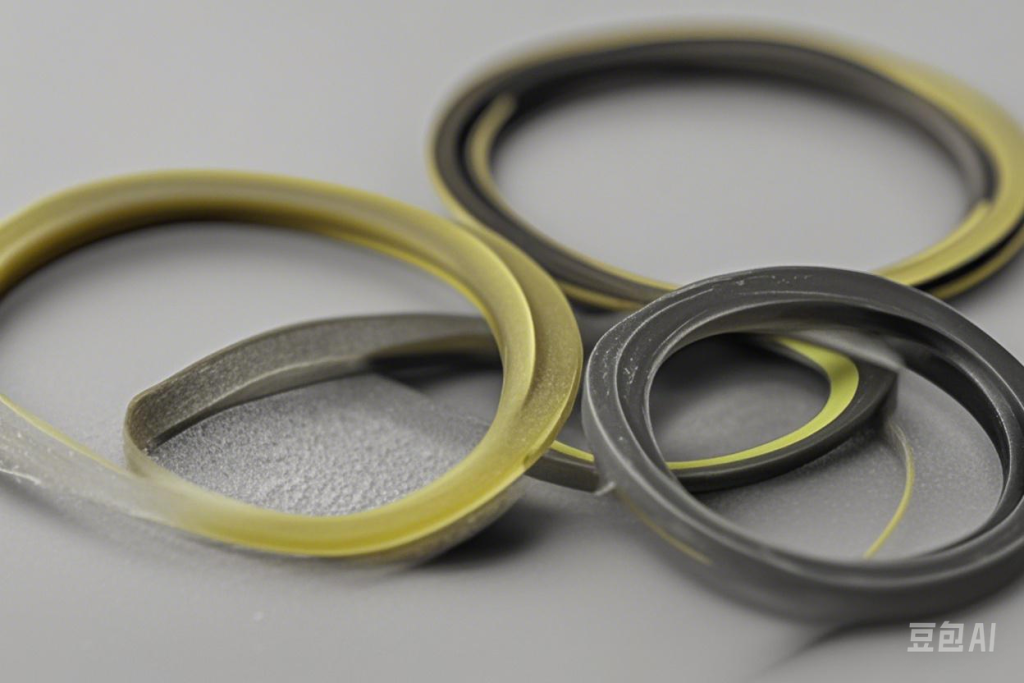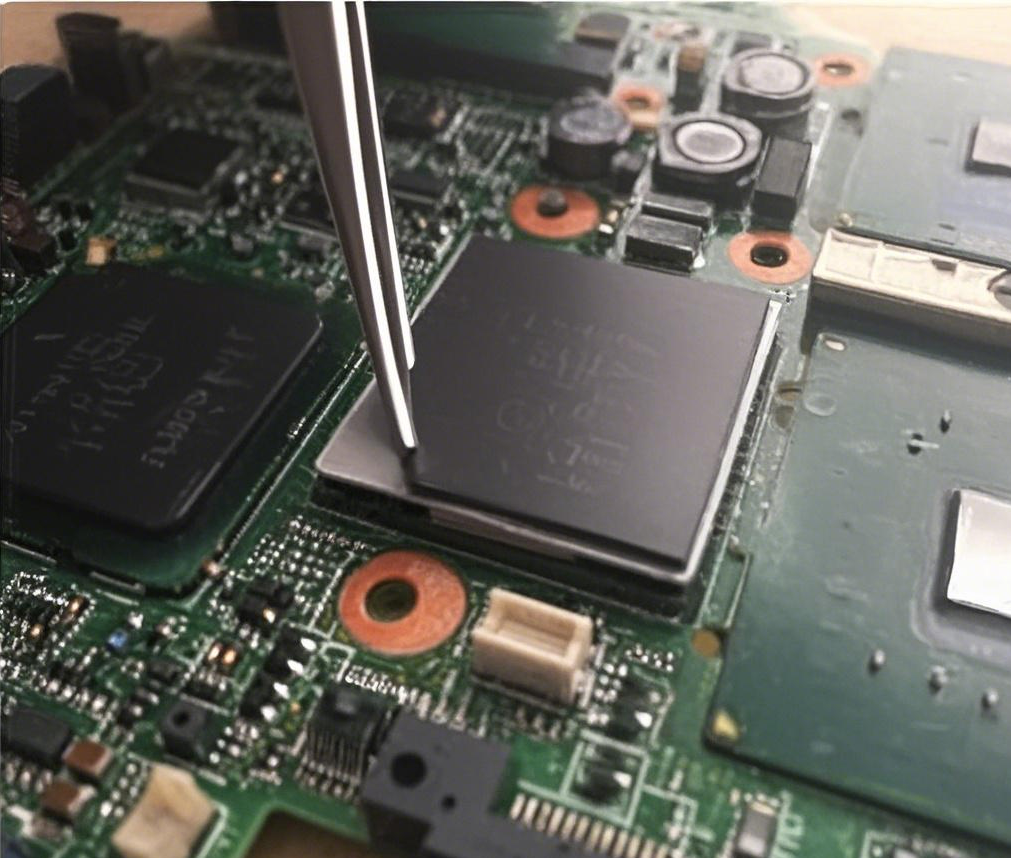
Commencing the present write-up presents perspectives relating to silicone compound coupled with electron-flowing silver rubber strips towards EMI attenuation.
Polydimethylsiloxane-based materials are widely incorporated throughout compliant deployments due to their notable hardiness and material durability. However, their characteristic scarcity of charge transfer curtails their performance in selected technological applications.
The combination of current conducting nanoparticle agents, especially silver-infused embedded mixed with the polymer matrix, produces a cooperative effect bringing about a conductive fabric that enables optimal radio frequency shielding.
This procedures facilitate instruments to block excess EMC background.
Protecting Device Assemblies: Certain Significance of Siloxane Polymers and Electrically Pads
Effective insulation of circuit assemblies is fundamental in demanding settings. Dimethylsiloxane, with their notable flexibility and substance strength, provides impressive liquid protection qualities. Nevertheless in systems calling for current-carrying stability, metallic components, often produced from electronically active composites, function as required to minimize EMC static and ensure stable activity. An joining of Dimethylsiloxane & metallic pads signifies a dynamic fix for realizing secure efficiency in cutting-edge circuitry.
Electrical Reduction Closures: Augmenting Reliability with Metallic Silver-enhanced Rubber combined with dimethyl polysiloxane
{Dependable electrical static defense closures stand as necessary for securing sensitive device instrumentation and configurations from unwanted transmitted flowing noise. Advanced designs often employ a mixture of conductive Silicone Elastomer and Silicone polymer to attain optimal performance. Conductive SR provides high-quality electrical electrical flow, facilitating a robust conductive route for absorbing disruptive signals. Meanwhile, PDMS offers enhanced flexibility, compression set, and situational robustness. Detailed material approval and stacking techniques, such as a delicate layer of SR within a PDMS matrix, improve both shielding capability and durable steadfastness.
- Contemplate alternative material compositions relying on implementation specifications
- Ensure sufficient insulation pressure for dependable contact
- Check gaskets repeatedly to verify functionality
The synergistic approach leads in EMI closures that grant unparalleled protection and robustness.
Silicone elastomer Conductive SR Pads: Safeguarding Electronics from Invasion
Addressing critical instrumentation assemblies, radiation noise is prone to result in undesired effects, culminating for errors plus signal distortion. Polydimethylsiloxane current-carrying silicone rubber barriers offer special solid method utilizing providing unique dependable barrier toward like disruptions. Comparable gaskets, usually crafted from silicone polymer matrix infused with current-carrying additives, form effective minimal power loss channel towards base, minimizing electromagnetic interference also signal signal frequency interference output. Their conformable configuration permits reliable durable seal including across nonuniform facets, permitting them optimal within operations covering therapeutic tools, telecommunications systems, as well as multiple production locales. Implementing special Dimethyl polysiloxane current carrying silver-based rubber closure stands for robust forward-looking strategy meant for ensure framework reliability along with support working dependability.
Improving Digital Part Encapsulation with Polydimethylsiloxane-Based Radio Frequency Interference Suppression
Superior electronic section wrapping presents a notable difficulty in today's engineering due to mounting RF clutter. PDMS provides a unique plan when joined with electronically active particles to create sturdy EMI blocking barriers. This framework not only strengthens apparatus functionality but also diminishes likely chance of failure emanating from exogenous electromagnetic interference concerns.
Electrical Conductivity SR Optimization in PDMS Interfaces for Better EMI Reduction
Cutting-edge seals fabricated from polydimethylsiloxane (PDMS), incorporating electronically conductive fillers, demonstrate significantly improved attenuation performance against electromagnetic interference (EMI). The joining of elements like carbon nanotubes or nickel grains provides a route for energy transmission conduction, thereby creating a more sturdy electromagnetic barrier. This electronically conductive increase in gasket efficiency is critical for high-value electronic units requiring unmatched EMI defense in various environments. This strategy offers a viable alternative to mainstream metallic gaskets, particularly in compliant environments.
Evaluating the Right EMI Protection Gasket: PDMS vs. Conductive SR Variants
Choosing fitting wireless protection interfaces requires precise inspection of multiple features. Traditionally, electronically active Silicone Rubber (Siloxane rubber) was a ordinary pick; however, Dimethly Silicone (Polymer silicone) arises as a practical variant, particularly where pressing ranges are reduced or material coexistence is indispensable. Polymer silicone offers enhanced elasticity and has the ability to tolerate tighter margins, despite continuing exceptional reduction functionality.
Cutting-edge Covering Systems: Silicone compounds, Conductive Silicone rubber, and Digital equipment Defense
Progressive wrapping systems are notably crucial for maintaining high-precision equipment assemblies. polymer silicone, with its exceptional supple nature and environmental strength, affords notable outside screens. On top of that, electric flow enabling silicone polymer helps ESD diffusion, mitigating charge harm occurrences. These EMI Shielding Gasket {advanced|sophisticated|next-generation|leading-edge|state-of-the-art|high-tech|innov