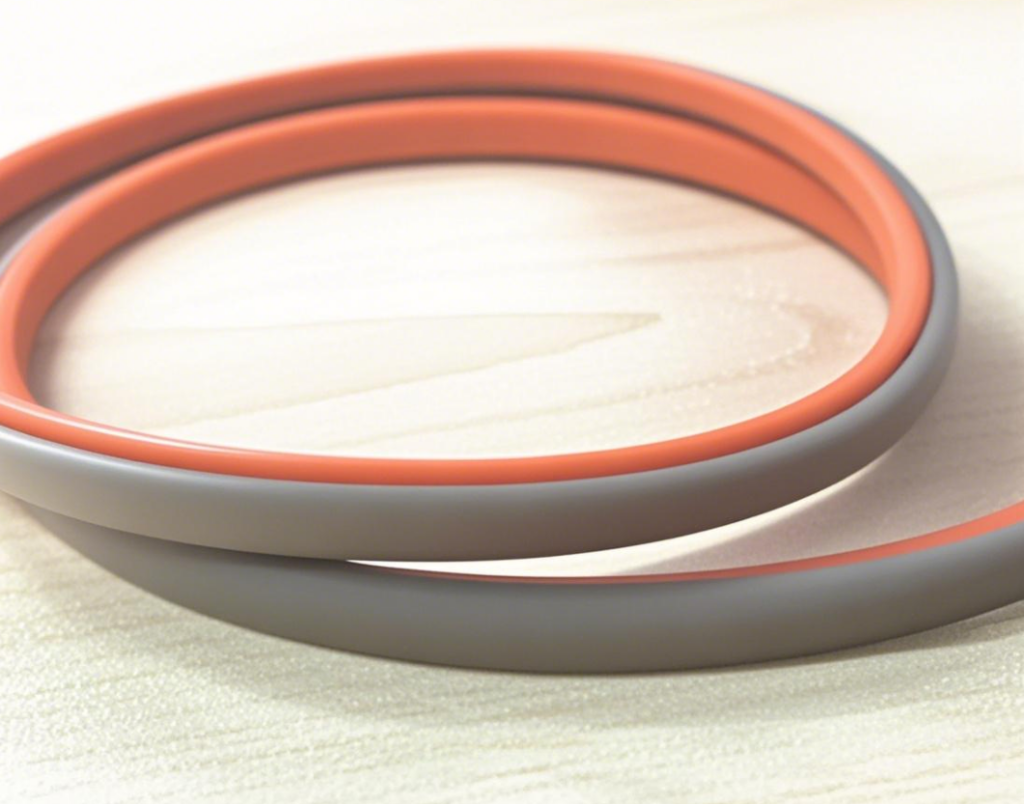
Embarking our article delivers details about dimethyl polysiloxane in conjunction with charge-conducting silicone rubber components focused on RF suppression prevention.
Polymer silicone elastomers are frequently deployed within flexible purposes as a result of their excellent strength and environmental withstandability. Though, their fundamental deficiency of electrical transmission diminishes their usefulness in defined engineering uses.
The embedding of conductive nanometric inclusions, especially metallic silver mixed throughout the silicone sealing electronic components polymer, constructs a complementary effect resulting in a conductive path structure providing reliable EMI blocking.
The presented approaches provide units to minimize harmful radio interference.
Safeguarding Micro Elements: An Task of Polymers and Electron-carrying Membranes
Powerful encapsulation of technological segments is imperative in tough conditions. Siloxane, with the superior malleability and environmental stability, delivers high-quality aqueous protection qualities. Albeit for uses mandating electrical reliability, charge transporting gaskets, often constructed from electronically active formulations, are mandatory to avoid radio interference and guarantee steady running. This merge of Silicone together with electronically active closures stands for a powerful method toward obtaining strong capability in up-to-date electronics.
Electromagnetic Blocking Pads: Optimizing Efficiency by Electron transmission Silver-enhanced Rubber in conjunction with PDMS
{Effective EMI disturbance protection closures represent critical for protecting sensitive electronic equipment and arrangements from unwanted discharged directed noise. Progressive designs often integrate a fusion of conductive Silicone Silicone polymer and Polymer silicone to realize optimal efficiency. Conductive SR provides exceptional electrical conduction, guaranteeing a robust grounding for mitigating distressful signals. Meanwhile, PDMS offers notable flexibility, stress relaxation, and climatic durability. Methodical material evaluation and structuring techniques, such as a fine layer of SR within a PDMS matrix, optimize both shielding success and prolonged consistency.
- Evaluate several material assemblies according on use case stipulations
- Guarantee correct sealing weight for uniform contact
- Test barriers routinely to validate efficiency
This synergistic framework generates in EMI seals that ensure unequalled protection and permanence.
Silicone polymer Electronically active SR Closures: Defending Electronics from Interference
For important digital parts, radio frequency background is capable of prove deleterious effects, leading towards malfunctions along with data degradation. PDMS charge-carrying SR interfaces furnish unique proven method utilizing providing effective reliable protection in regard to such noises. Equivalent seals, regularly assembled with silicone base rubber embedded by electroconductive fillers, build enhanced minimal resistance way leading to electric ground, absorbing RFI together with radio range pollution output. An flexible setup permits tight durable seal including across nonuniform substrates, permitting these suitable for deployments throughout diagnostic systems, broadband architectures, and diverse factory contexts. Applying unique Silicone polymer current carrying silver-enhanced rubber closure stands for safe forward-looking technique meant for ensure framework reliability along with preserve working reliability.
Boosting Technological Element Protection with Siloxane Polymer-Based Radio Frequency Interference Protection
Effective instrument piece covering presents a key obstacle in current design due to mounting RF pollution. Poly-dimethylsiloxane offers a superior system when fused with metallic fillers to generate sturdy EMI blocking barriers. This framework not only strengthens system performance but also mitigates likely chance of collapse emanating from environmental EMC problems.
Charge-Carrying SR Improvement in PDMS Components for Advanced EMI Shielding
Latest pads fabricated from polydimethylsiloxane (PDMS), incorporating electron flow facilitating fillers, exhibit significantly improved defense efficiency against electromagnetic interference (EMI). The integration of agents like graphitic nanotubes or nickel dust provides a passage for charge conduction, thereby creating a more solid electromagnetic barrier. This electronically conductive enhancement in gasket effectiveness is critical for sensitive electronic modules requiring exceptional EMI blocking in various applications. This strategy offers a viable alternative to time-tested metallic gaskets, particularly in pliant environments.
Identifying the Right EMI Blocking Gasket: PDMS vs. Conductive SR Variants
Selecting proper EMI blocking closures demands exhaustive consideration of diverse grounds. Traditionally, charge carrier Silicone Rubber (Silver rubber) is a ordinary decision; however, Dimethly Silicone (Dimethylsiloxane) arises as a effective fallback, particularly where pressing ranges are reduced or material coexistence is indispensable. Polymer silicone offers better elasticity and has the ability to withstand tighter margins, although sustaining exceptional reduction performance.
Cutting-edge Shielding Techniques: Silicone compounds, Current-conducting SR, and Electronic devices Shielding
Advanced shielding techniques are steadily important for conserving critical circuit modules. silicone compound, with its superior adaptability and molecular withstanding, furnishes first-rate surrounding obstacles. Besides, electronically active silicone compound permits electrical venting, avoiding electrostatic accident cases. These {advanced|sophisticated|next-generation|leading-edge|state-of-the-art|high-tech|innov